signal chain
Mixer Conversion-Loss Ripple: Check the IF Termination
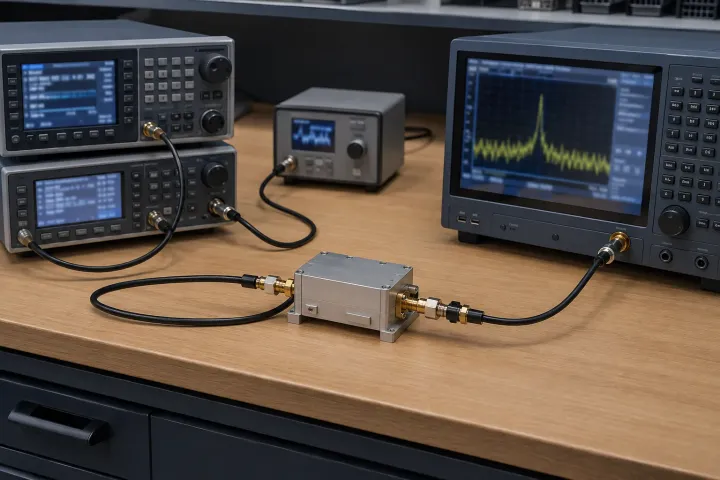
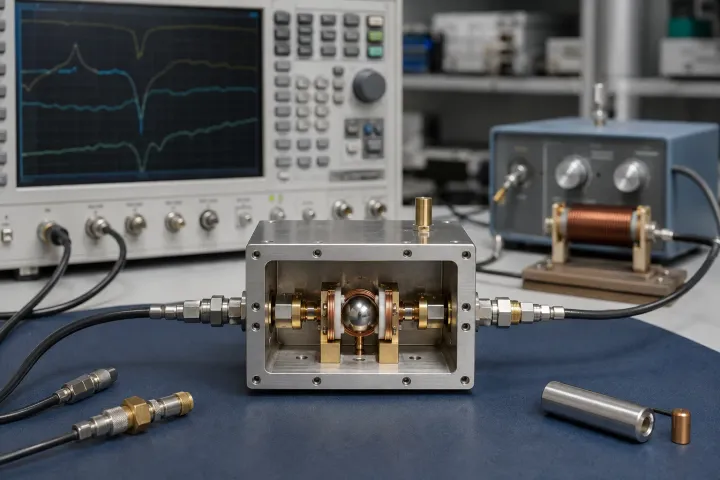
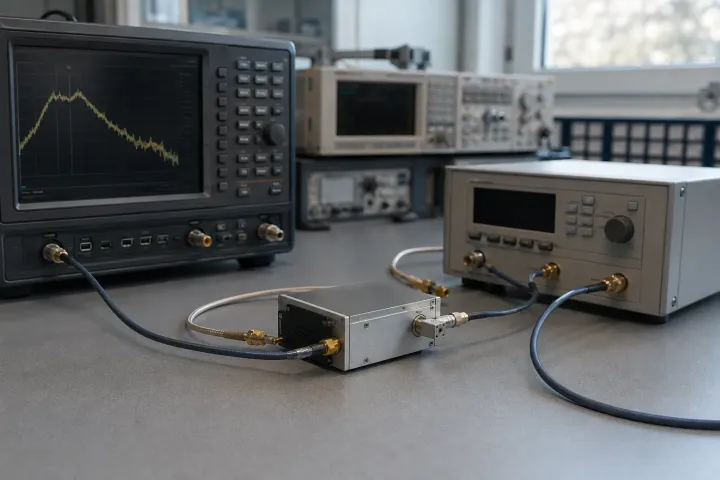
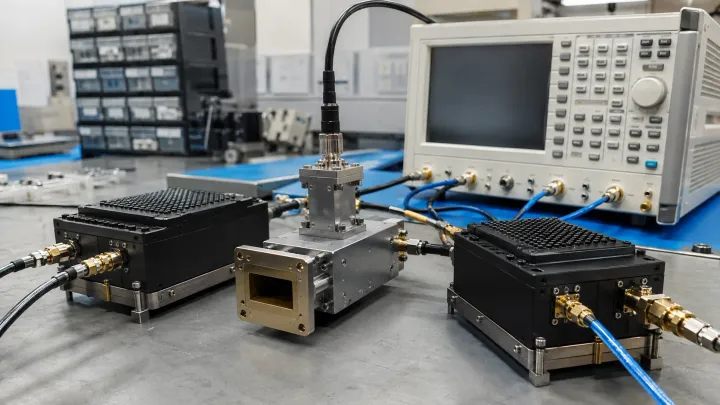
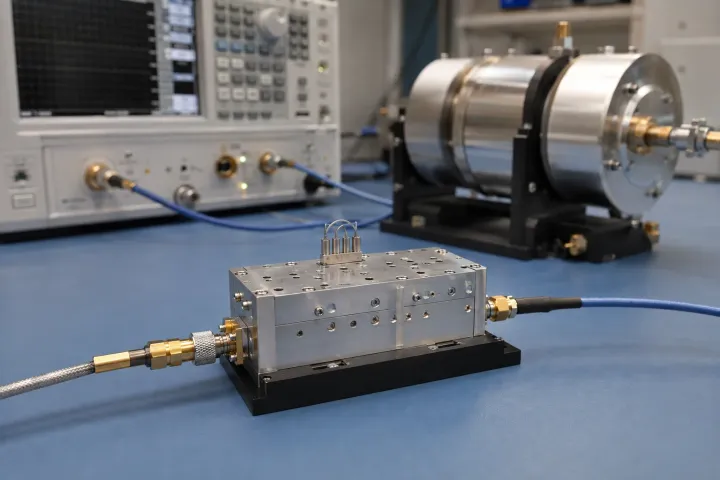
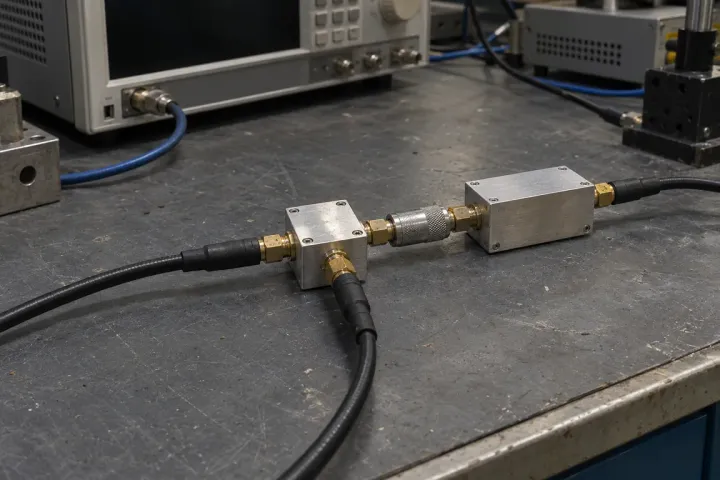
An A/B fixture checklist and comparison matrix for a resistive pad, terminated diplexer, and absorptive filter when an IF filter adds mixer conversion-loss ripple.
Author profile
Editor, RF and microwave components
Editor of MicroSource Insights. Sets the sourcing standard each guide is held to, and owns the correction path when a published claim proves wrong.
Published work
An A/B fixture checklist and comparison matrix for a resistive pad, terminated diplexer, and absorptive filter when an IF filter adds mixer conversion-loss ripple.
A practical check sheet for service calibration, internal alignment and the connected measurement chain.
Weight each log-spaced phase-noise row by its real hertz width, and keep the carrier, the limits, and the units with the sum.
Record stimulus, LO state, terminations, reference plane, and analyzer frequency before comparing an RF-to-IF isolation number a mixer datasheet left blank.
Decide which mixer port swap a topology allows, then recheck passband, DC path, LO drive, isolation, conversion loss, and spurs on the datasheet.
What an asserted HMC832 lock detect confirms after a hop, which Register 0x07 fields change it, and how to record a separate RF frequency acceptance check.
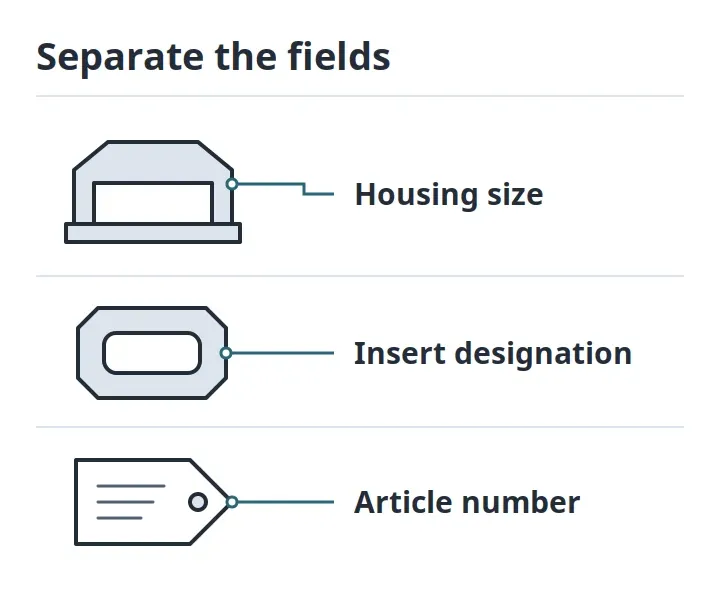
Separate HARTING's Size 4 announcement from Han A four-contact inserts and Han Q 4/2 arrangements before specifying a connector.
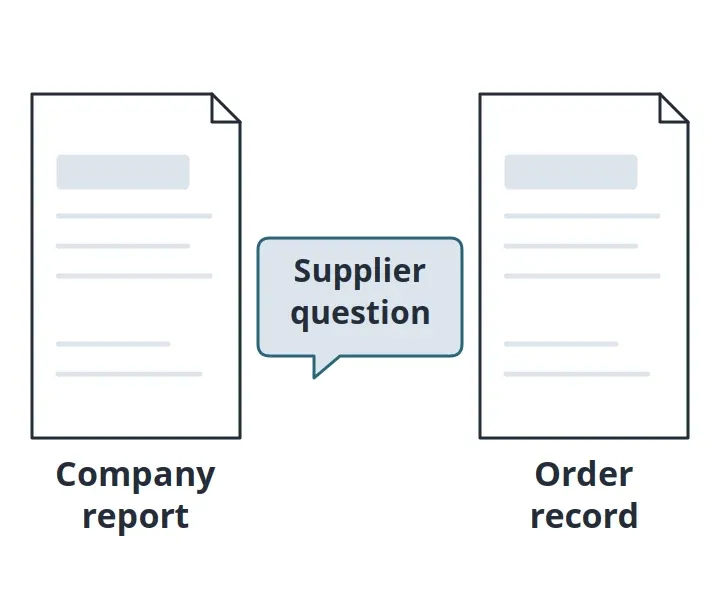
Use the Jabil Q4 FY2026 news report to organize an EMS supplier review, keeping financial results separate from evidence about your orders.
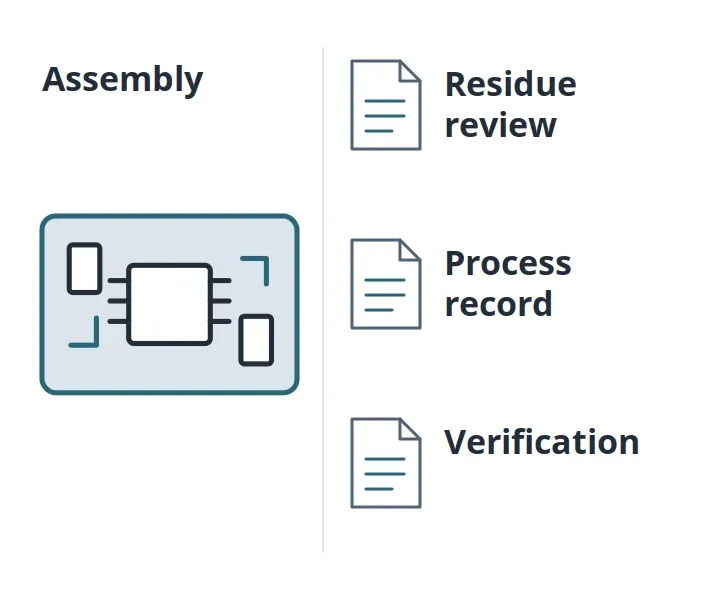
Use KYZEN's Penang announcement as a prompt to review PCB assembly cleaning, residue evidence and process questions before making a change.
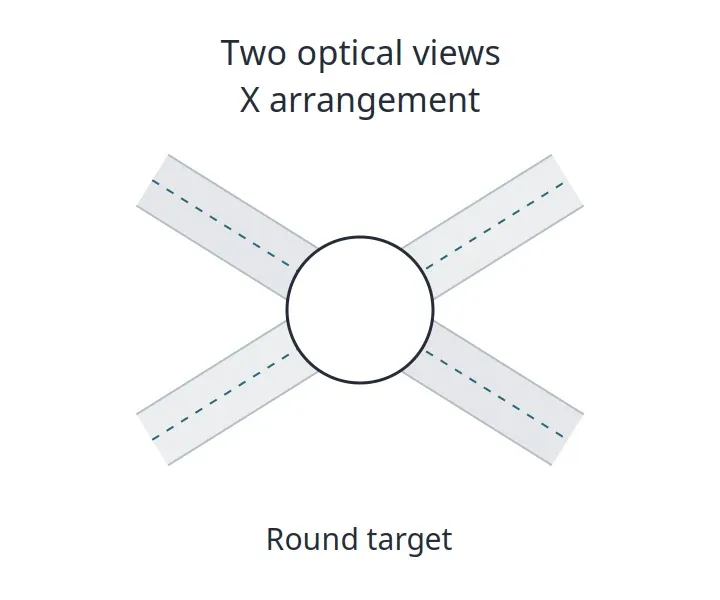
How profileGAUGE C.ODC uses two optical axes to address tilt and position, and which published specifications need a version-specific check.
How an indirect PLL synthesizer works: circuit blocks, reference and feedback dividers, a worked frequency calculation, and the conditions for lock.
A converter is a mixer plus everything that makes the mixer usable. What the preselector, the LO and the IF stage each set, and how to specify them together.
How YIG-tuned oscillators work: negative-resistance devices locked to magnetically tuned resonators, coil driver circuits, and dual-coil architecture.
Compare direct analog, DDS and PLL microwave synthesis, then specify reference noise, oscillator control, spurs and switching acceptance conditions.
Check obsolete RF sourcing routes, custody records, inspection and RF testing, with contract-specific notification and suspect-counterfeit disposition boundaries.
What L(f) actually measures, why the offset frequency matters more than the headline number, and how phase noise relates to jitter.
Map radar waveform timing, frequency coverage and noise offsets to LO, filter and converter checks, with explicit source-and-filter readiness conditions.
RF, IF and LO roles in heterodyne receivers: frequency planning, image rejection at 2 × IF, preselector design, and local oscillator selection.
Downconverters shift RF to IF; upconverters shift IF to RF. How mixing identities, frequency planning, and LO injection affect both conversion chains.
Yttrium iron garnet resonates at a frequency set by an applied magnetic field, which is what makes octave-wide tunable oscillators and filters possible.
Compare YIG-tuned and cavity filters for RF preselection. When to choose octave-wide tunability versus fixed-frequency ultra-low insertion loss.
What stage count, coupling and coil current actually set on a YIG filter, and when a cavity or a switched bank is the better preselector.
How to choose between a YIG oscillator, varactor VCO and DRO based on tuning range, hopping speed and close-in phase noise constraints.
What each YIG-tuned oscillator specification actually constrains, how the driver changes the answer, and when a VCO or DRO is the better choice.